
Wireless Lockdown Alarm Systems UKClear alerts across your site.
Wireless lockdown alarm systems for UK venues, workplaces and public buildings. Call points, sounders and blue beacons give authorised staff a clear way to raise an emergency lockdown alert.
Leasing available. 3-5 years with installation included, subject to approval.

- Wireless alerting
- Sound and blue beacons
- Monitoring options
- Survey-led coverage
200–799 people
Qualifying premises generally enter the standard tier. The number reasonably expected at the same time includes staff, not only members of the public.
800 or more people
Qualifying premises generally enter the enhanced tier, with additional measures and documentation. Exceptions apply to some uses.
Events have separate criteria
Qualifying events generally require 800 or more people and public access with specified entry checks. The event and site must meet the remaining conditions.
A lockdown alarm for the places people gather.
Cinemas, theatres, football stadiums, cricket grounds, tennis clubs, places of worship and workplaces can have different needs. Different spaces need different alert arrangements. Consider visitors and spectators alongside staff, contractors and people who may need an accessible warning.
Football stadiums
Consider stands, turnstiles, concourses, hospitality, control rooms, offices and back-of-house routes. Crowd noise and changing attendance affect where alerts need to be heard or seen.
Cricket grounds
Assess pavilions, hospitality areas, clubhouses, practice facilities and detached buildings, as well as the occupied outdoor areas included in the venue plan.
Tennis clubs and centres
Bring reception, clubhouses, changing areas, indoor courts and suitable outdoor locations into a surveyed alert design. Plan for coaching sessions, members and visitors.
Cinemas
Assess reception, auditoriums, projection areas, staff rooms and service corridors. Coordinate sound, visual warnings and any messages with the venue’s existing emergency arrangements.
Theatres and live venues
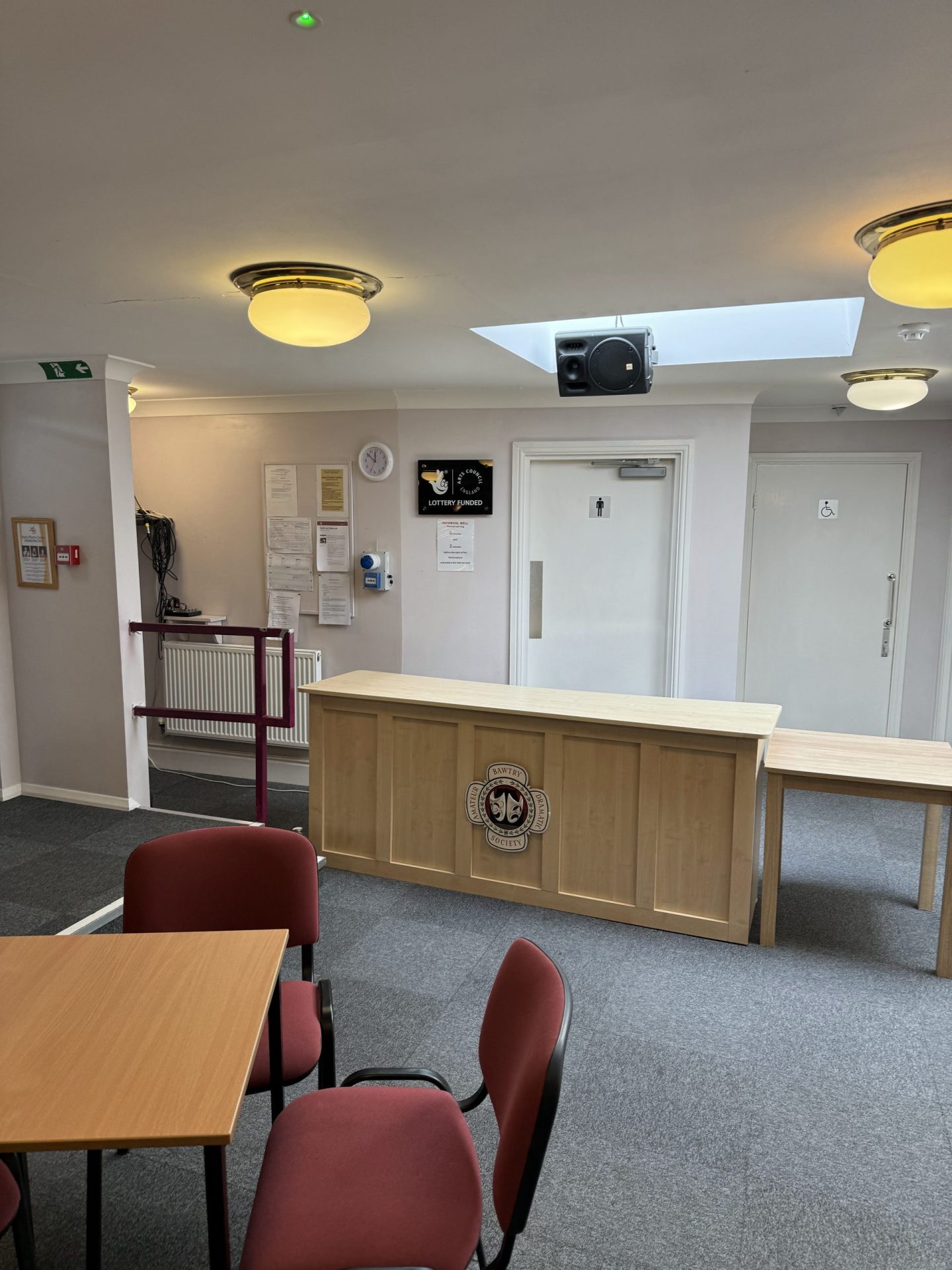
Account for front of house, foyers, bars, backstage areas, dressing rooms and technical spaces. Agree how staff and visitors receive clear instructions during rehearsals and performances.
Places of worship and religious venues
Churches, mosques, synagogues, temples, gurdwaras and other places of worship can assess alerts for worship spaces, community halls, offices and associated buildings. Consider services, gatherings, volunteers and visitors, with warning methods agreed around your emergency plan.
Workplaces and other premises
Offices, warehouses, community venues, visitor attractions and mixed-use sites can have different communication needs. Begin with the people, occupied areas and response plan.
Theatres and live venues. From front of house to backstage.
Reception, foyers, bars, auditoriums and staff-only areas can present different alerting needs. Agree the locations and warning methods around the venue’s layout and emergency arrangements.

One lockdown alarm system. The options your site needs.
Choose equipment around the real requirement. Your quotation should make standard equipment, optional functions and ongoing services clear.
Call points and key fobs
Authorised staff can raise an alert from agreed locations or compatible portable two-button triggers. Agree who may activate the system and how accidental operation is managed.
Sounders and flashing beacons
Compatible slave units combine a distinctive audible warning with blue visual alerts. Select the tone, volume and device positions for the environment and the agreed response.
Voice and digital options
Voice annunciators, desktop messages and selected email or text notifications can supplement the physical alert where the required equipment and services are configured.
Monitoring and fault reporting
Configured monitoring can flag low batteries, communication issues and missed unit check-ins, helping responsible staff investigate a problem before the equipment is needed.
Indoor and outdoor coverage
Suitable weather-rated devices, repeaters and bridge options can be assessed for detached buildings and outdoor areas. Coverage must be surveyed and commissioned.
Testing and support
Discuss silent checks, operational tests, battery management, staff handover and maintenance. Low-maintenance equipment still needs planned checks and clear responsibilities.
How a wireless lockdown alarm communicates the alert.
- 1. An authorised person activates it
- A compatible fixed call point, portable key fob or agreed control method starts the equipment alert.
- 2. Configured units receive the signal
- Dedicated radio communication carries the alert through the surveyed system. Coverage and any relay or bridge requirements are checked for the site.
- 3. People receive the warning
- Sounders, blue beacons and selected supplementary functions warn the people included in the venue’s response arrangements.
- 4. Staff follow the agreed procedure
- The response plan defines what happens next, who gives instructions and how authorised staff communicate the all-clear and reset the equipment.
Core alerting and digital services are different. A standalone radio configuration can operate independently of normal Wi-Fi. Optional monitoring and digital notifications may need connectivity, additional equipment and service arrangements.
Coverage comes from a survey. Not a headline range figure.
Concrete stands, metal roofs, enclosed rooms, multiple floors, terrain and surrounding interference all affect radio communication. Busy event conditions can also affect whether people hear a warning. The alert design should address the occupied areas and the required audible and visual coverage.
- Identify activation points, staff routes, public areas and detached buildings.
- Assess sound levels, visual warning needs and accessibility.
- Specify appropriate indoor and outdoor units and any additional coverage equipment.
- Agree commissioning, staff handover, testing and ongoing support.
Tell us about your layout and operating pattern so we can discuss a proportionate system and itemised quotation.
Understand the response. Then choose the warning.
Lockdown
A response that restricts movement and secures people in appropriate areas when moving through or leaving a site could increase risk.
Invacuation
Moving people into appropriate internal areas when remaining in the current location or moving outside could create greater risk.
Evacuation
Moving people away from a threat using routes and destinations selected for the incident. These may differ from normal fire arrangements.
These are general descriptions, not instructions for a live incident. Your responsible team and emergency plan determine the appropriate response.
What to confirm before choosing a system.
- Who is authorised to activate and reset the alarm?
- Which occupied rooms, stands, outdoor areas and outbuildings need alerts?
- How will visitors understand the warning and receive instructions?
- What happens if Wi-Fi, internet or a digital notification service is unavailable?
- Are voice, monitoring, email or text functions included or optional?
- What equipment, fitting, testing, training and recurring charges are in the quote?
- Who checks batteries, responds to faults and reviews coverage after layout changes?
Listen to the lockdown alarm sounds and discuss a signal that is clearly distinguishable from routine announcements and the normal fire signal.
Spread the cost of your lockdown alarm system.
3-5 year leasing is available with installation included, subject to finance approval. For business eligibility, repayments and what your quotation covers, read the installation and leasing information.
Choosing a system for education? See school lockdown alarm systems, including school funding dates and eligibility.
Lockdown alarm system questions answered.
What is an emergency lockdown alarm?
An emergency lockdown alarm provides a recognisable warning for people to follow the site's agreed protective procedure. A system may combine sounders, blue beacons and voice or digital alerts. For education settings, see school lockdown alarm systems.
Is a lockdown siren the same as a complete lockdown alarm system?
A lockdown siren is an audible warning device. A complete system also needs suitable activation, coverage and agreed operating procedures, with visual or other alerts where required. To compare tones and voice messages, listen to the lockdown alarm sounds.
Can we lease a wireless lockdown alarm with installation included?
Yes. 3-5 year leasing with installation included is available, subject to finance approval. See the full installation and leasing details.
Where can we check business finance eligibility?
See lockdown alarm installation and leasing for eligibility conditions, approval requirements and what the finance quotation can include.
Can schools lease a system or consider CIF funding?
Schools can apply for leasing, subject to finance approval and their own procurement and financial authorisation requirements. Eligible schools in England can also review the CIF 2027-28 funding information. Grant eligibility depends on the proposed project, evidence and funding thresholds. Leasing approval and grant funding are assessed separately.
What is a lockdown alarm?
A lockdown alarm communicates a distinct alert so people can follow the premises’ agreed protective response. It supports the emergency plan; it does not decide which response is safest or physically lock doors.
What does a lockdown alarm system include?
A configuration can include master call points, portable triggers, slave sounders, blue beacons and optional voice, monitoring and digital notifications. The quotation should identify the actual devices, installation, services and support included.
How does a wireless lockdown alarm work?
Compatible activation devices transmit a dedicated radio alert to the configured sounders and beacons. Radio performance depends on the building, terrain, interference and device positions, so the intended coverage is surveyed and tested.
Does it depend on the venue Wi-Fi?
The core radio alarm can operate independently of normal Wi-Fi in an appropriate standalone configuration. Network connectivity and related services may still be needed for optional monitoring, desktop messages, email and text notifications.
Can it work at football, cricket or tennis venues?
Suitable devices can be assessed for stands, clubhouses, hospitality, staff areas and occupied outdoor spaces. The proposal must address the actual venue, ambient noise, environmental exposure and communication requirements; the stadium illustration is not a coverage guarantee.
Can it be used in cinemas and theatres?
Yes, subject to a suitable site design. Consider auditoriums, backstage, front-of-house areas, staff access and how the chosen alert or voice message fits the venue’s existing emergency arrangements.
Can a wireless lockdown alarm be used in a place of worship?
Yes, subject to a suitable site design. Churches, mosques, synagogues, temples, gurdwaras and other religious venues should assess occupied spaces, gatherings, volunteers and visitors. Agree audible and visual warnings, authorised activation and staff or volunteer training around the venue’s emergency plan. Installing an alarm does not itself establish Martyn’s Law compliance.
Should the signal differ from the fire alarm?
The warning must clearly communicate the intended response and avoid confusion with fire signals, routine bells or announcements. Agree the signal and instructions within the premises’ emergency plan and staff training.
Can it send email and text notifications?
Yes, where the relevant bridge, monitoring functions and notification services are configured. Check any connectivity, subscriptions and message charges in the quotation. Digital notifications supplement the physical site alert.
How much does a lockdown alarm system cost?
Cost depends on device quantities, coverage, outdoor requirements, voice and monitoring options, access, commissioning and support. Request an itemised quotation rather than comparing a headline package price with a different specification.
Does installing an alarm establish Martyn’s Law compliance?
No. An alarm can support communication where the premises’ assessment identifies a need, but purchasing equipment does not automatically establish compliance. Check the current official guidance for your premises or event and its wider procedures, training and responsibilities.
Equipment supports your wider emergency plan.
A wireless lockdown alarm is a communication tool. It does not replace risk assessment, responsible decision-making, accessible procedures, staff training or planned testing.
For Martyn’s Law, check the current SIA guidance and ProtectUK overview for scope and responsibilities. Do not assume a venue needs a particular alarm solely because the legislation exists.
General guidance references checked 1 November 2026. Product configuration, site coverage and support are confirmed in the individual proposal. The stadium scene and security officer are illustrative.