
School Lockdown Alarm Installation Site Survey, Fitting & Handover.
School lockdown alarm installation starts with understanding the actual site. Camelott® surveys nurseries, schools, colleges, academy trusts and multi-building education sites across the UK, then provides a survey-led design, itemised quotation, wireless installation, commissioning, staff handover and ongoing support options.
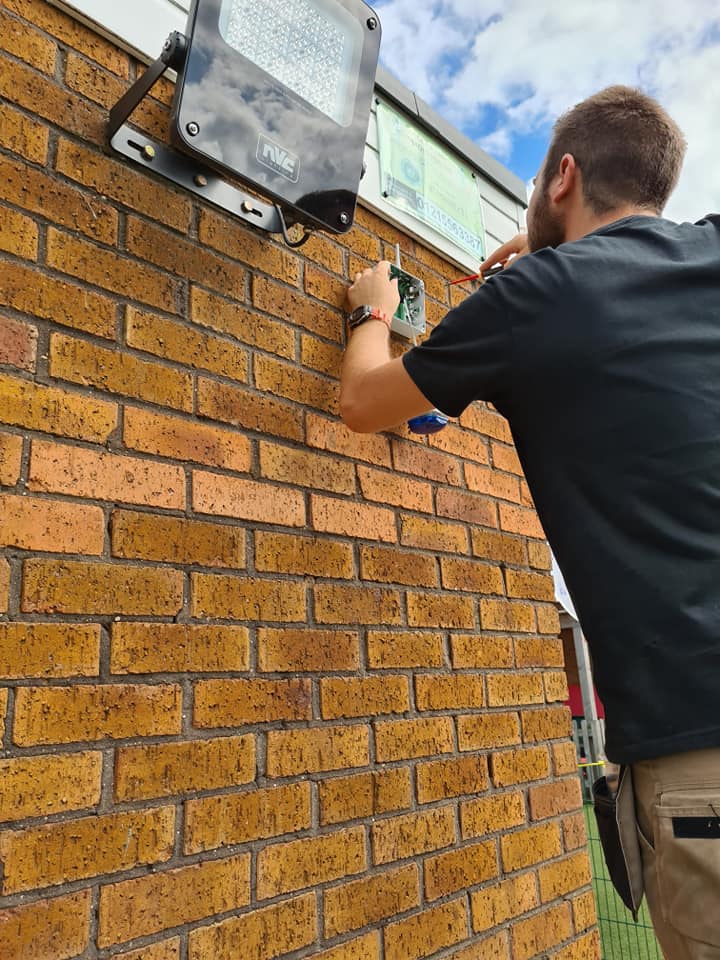
- Survey-led system design
- Itemised quotation
- Wireless fitting
- Staff training & handover
Installation designed around the actual school site.
The same equipment package will not suit every school. Buildings, outdoor areas, activation points, noise levels, construction, wireless conditions and the school’s alert procedure all affect the final design.
Single and multi-building sites
Classrooms, offices, halls, portacabins, playgrounds and suitable external areas can be assessed as one alert environment.
Reduced installation disruption
Wireless equipment can reduce the need for extensive cabling, wall chasing, ceiling access and inter-building groundworks.
Commissioning and handover
Equipment is configured, tested and labelled, with nominated staff shown the agreed activation, reset and routine test process.
Ongoing system support
Maintenance, battery replacement, testing and condition-reporting options can continue after the installation is complete.
What the school lockdown alarm site survey covers.
A reliable quotation requires more than counting classrooms. The survey establishes where the alert must be activated, where it must be heard or seen and what may affect wireless or sound coverage.
- Site layout: main buildings, detached blocks, temporary classrooms, halls, sports areas, playgrounds and external routes.
- Activation locations: reception, offices, corridors, staff areas and other positions identified by the school’s procedure.
- Sound and visual coverage: noisy areas, enclosed rooms, large halls, outdoor spaces and areas where visual warning may be appropriate.
- Wireless conditions: distance, walls, reinforced structures, metal, terrain, interference and the possible need for bridges or repeaters.
- Operational requirements: alarm sounds, voice messages, zones, authorised portable triggers, email, SMS or desktop notifications.
- Monitoring and testing: low-battery warnings, missing-unit alerts, silent checks, reporting and ongoing maintenance options.
Information that helps us produce an accurate design and quotation.
You do not need a finished lockdown procedure before contacting Camelott®, but the following information helps us understand the estate, installation constraints and operational requirements more quickly.
Site plans and building list
Available floor plans or a list of main blocks, detached buildings, portacabins, playgrounds, sports areas and other spaces that may need coverage.
Existing alert procedure
How the current lockdown or emergency communication method works, who may activate it and whether different tones, voice messages or zones are being considered.
Access and asbestos information
The asbestos register, access restrictions, working-hour requirements and any permit-to-drill arrangements should be available before mounting positions are approved.
IT and notification requirements
Whether the project may include desktop alerts, email or SMS notifications, remote monitoring, nominated recipients or involvement from the school’s IT provider.
Wireless installation can mean less disruption to the building.
A wireless design can substantially reduce the physical work required to distribute alerts around an existing education site. Correct placement and commissioning are still essential, but extensive new cabling is often avoided.
No extensive alarm cabling
Battery-powered radio units reduce the need to route new alarm cables through corridors, classrooms, ceilings and service areas.
Less wall and ceiling disturbance
Installation can avoid widespread wall chasing, lifted floors and repeated access above suspended ceilings.
Reduced asbestos disturbance risk
Limiting invasive cabling and drilling can reduce the likelihood of disturbing concealed asbestos-containing materials. The school’s asbestos register and site rules still apply.
Less inter-building groundwork
Detached blocks and outdoor areas can often be linked by surveyed radio coverage instead of new underground alarm cable routes.
Quicker fitting and commissioning
Reduced building work normally means a shorter installation programme and less interruption to lessons and site operations.
Easier to expand or reposition
Additional units and revised positions can be assessed as buildings, room uses or safeguarding procedures change.
The school lockdown alarm installation process.
Camelott® manages the project as a defined sequence so the equipment, installation and operational handover remain aligned with the school’s requirements.
- Initial discussionReview the site, existing procedure, buildings and areas requiring coverage.
- Site surveyAssess wireless paths, activation points, sound levels, visual warning needs and installation access.
- System designSpecify the required call points, sounders, bridges, visual and notification options.
- Itemised quotationSet out equipment, installation, training and optional maintenance clearly.
- Installation and commissioningFit, label, configure and test the agreed system across the included areas.
- HandoverDemonstrate activation, reset, testing and the responsibilities of nominated staff.
What the itemised quotation can specify.
The commercial systems page explains the full feature set. This page focuses on how those options become a surveyed installation scope and clearly itemised quotation.
Activation and warning equipment
Fixed call points, authorised portable triggers, sounders, flashing beacons and any voice annunciators.
Wireless coverage equipment
Radio bridges, repeaters, outdoor units and other equipment required for distance, obstacles or separate buildings.
Monitoring and digital alerts
Optional low-battery and missed-unit monitoring, silent testing, reporting, desktop messages, email and SMS notifications.
Installation and support
Mounting, configuration, commissioning, labels, staff handover, training, maintenance, battery management and condition-reporting options.
For the complete system specification and alert options, see wireless school lockdown alarm systems.
What determines the cost of a school lockdown alarm?
A meaningful price depends on the required coverage and specification. A small single-building school and a fragmented campus cannot be priced accurately as the same package.
Installation is not complete until staff can operate the system.
The alarm supports the school’s procedure, but the people responsible for it need to understand activation, reset, routine checks and fault reporting.
Operational handover
Camelott® can demonstrate activation, alarm reset, testing, basic checks, portable triggers and the operation of monitoring or notification functions included in the design.
- Equipment labels and positions checked against the agreed design.
- Alert sound and visual operation demonstrated to nominated staff.
- Routine test process explained without replacing the school’s wider emergency-planning responsibilities.
Maintenance and condition reporting
Battery-powered safety equipment requires planned testing and maintenance. Support can include unit checks, battery replacement, communication testing, firmware review, condition reporting and refresher guidance.
- Low-battery and missed-unit warnings reviewed where monitoring is installed.
- Call points, sounders and visual alerts checked for correct operation.
- Changes to rooms or buildings considered so coverage can be reassessed.
Current guidance: DfE school and college security guidance was updated in July 2026. Martyn’s Law has received Royal Assent and is expected to come into force in spring 2027. No single alarm product automatically establishes legal compliance; the system supports the organisation’s wider risk assessment, procedures, training and testing.
Single buildings, detached blocks and outdoor areas.
Wireless systems are particularly useful where an education site has grown over time and conventional cabling would be disruptive or expensive.

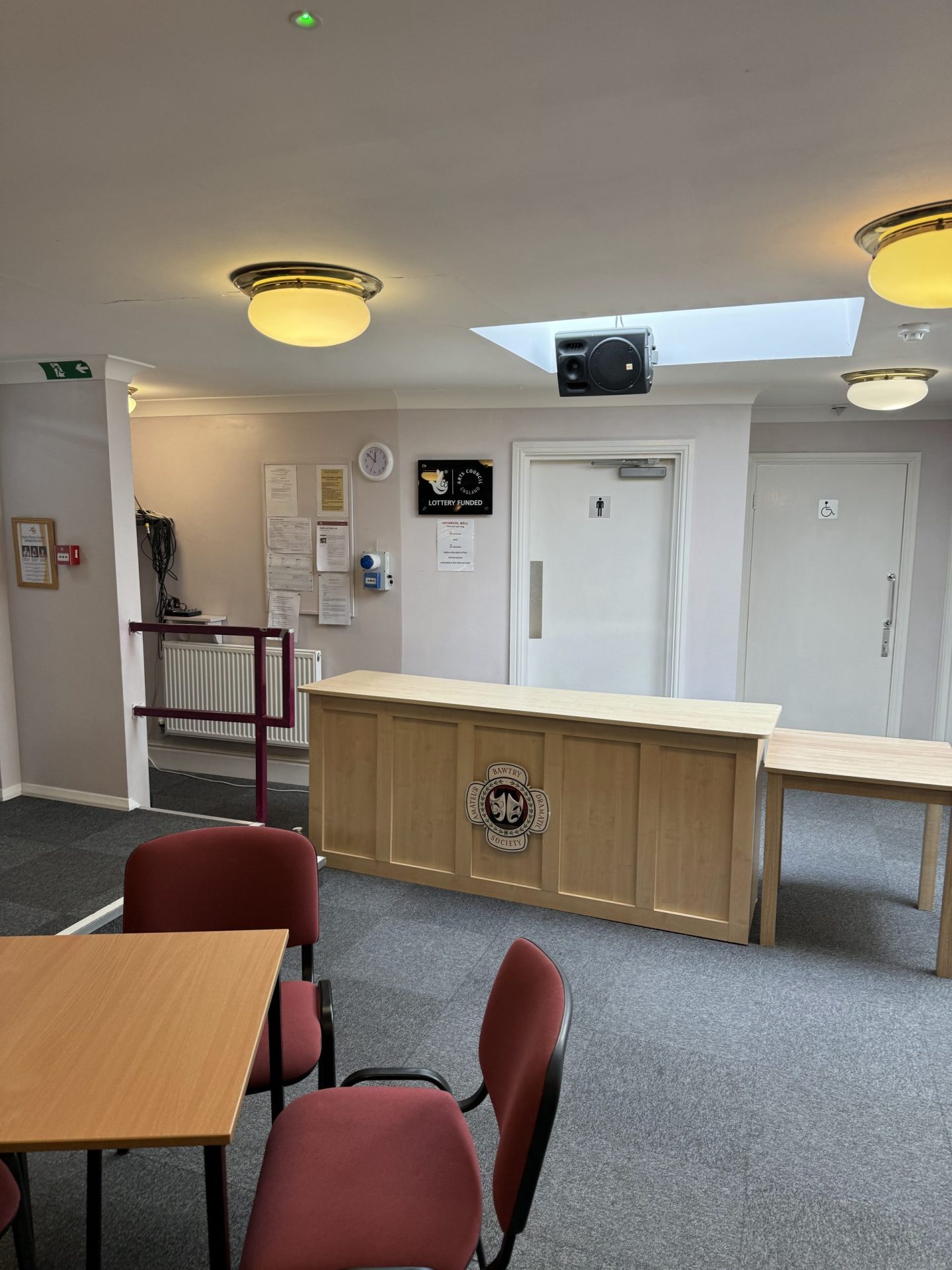
What education settings say about the installation.
“The lockdown alarm was operational within several hours. Camelott® were professional, informative and respectful throughout the installation.”
“We had previously resorted to fire alarm bells, which was confusing. The installation was quick and easy, with minimal impact on the décor.”
Related school lockdown alarm information.
This page focuses on surveys, installation, pricing and handover. Use the related pages for the complete commercial system or detailed educational guidance.